
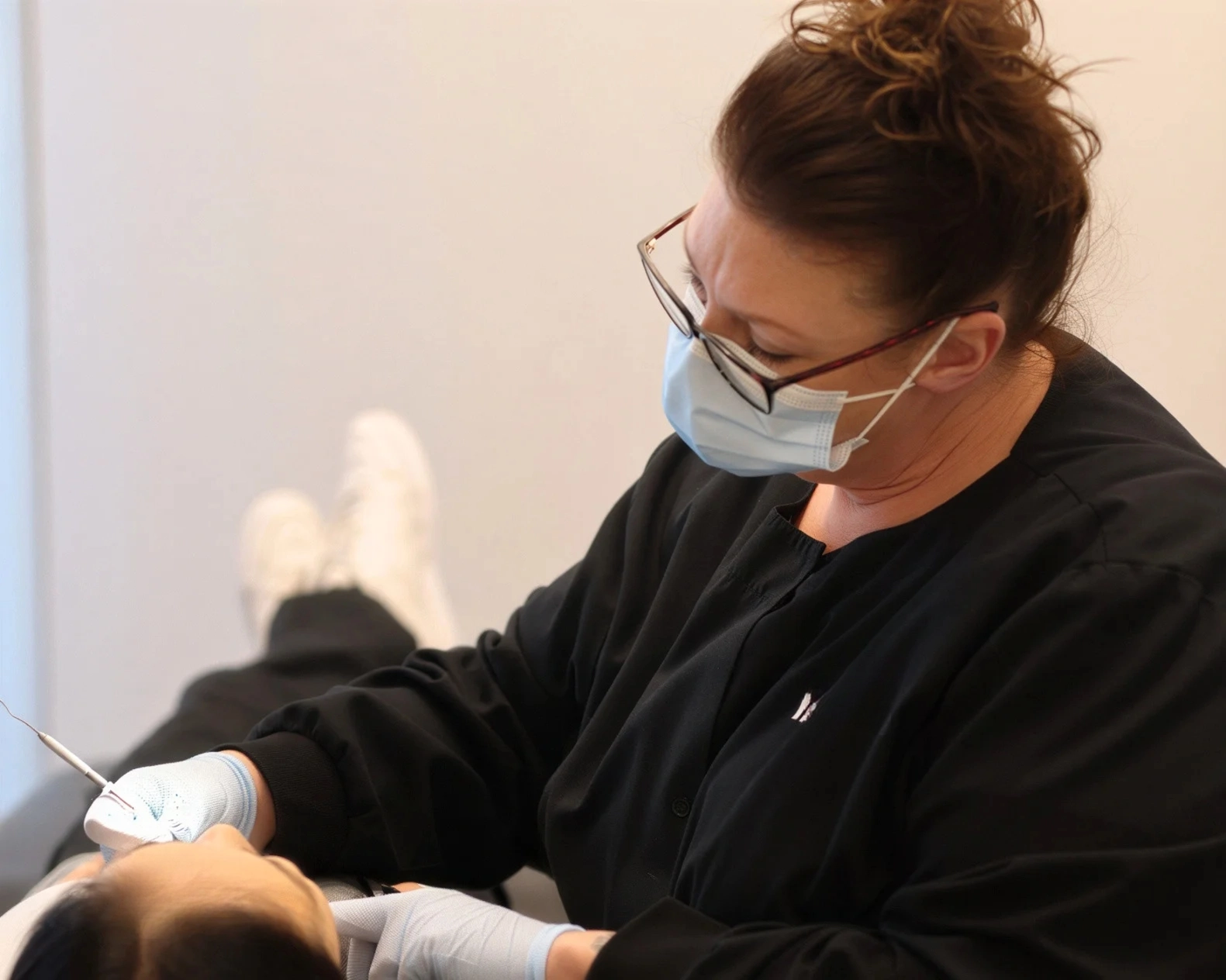
Tooth Extractions
in Grande Prairie
When a tooth cannot be restored, extraction may be necessary to protect your overall oral health. At Swanavon Dental, tooth extractions are performed with a focus on precision, comfort, and proper healing.
The goal is always to preserve natural teeth when possible. When extraction is recommended, it is done as part of a broader plan to maintain function and long-term oral health.
Types of Tooth Extractions
Simple Extraction
Performed when the tooth is visible and can be removed using standard techniques.
Assessment & Imaging
Required when the tooth is impacted, broken below the surface, or difficult to access.
Each approach is tailored to the complexity of the case.

When Is a Tooth Extraction Necessary?
Tooth extraction is typically recommended when a tooth is beyond repair or poses a risk to surrounding teeth and tissues.
Common reasons include:
- Severe tooth decay
- Advanced gum disease
- Tooth infection or abscess
- Cracked or broken teeth that cannot be restored
- Overcrowding
- Impacted teeth (including wisdom teeth)
A thorough assessment will determine whether extraction is the most appropriate option.
What to Expect During the Procedure
Your comfort and safety are prioritized throughout the process.
Assessment & Imaging
X-rays are used to evaluate the tooth and surrounding bone.
Anesthesia
Local anesthesia ensures the area is numb and comfortable.
Tooth Removal
The tooth is carefully removed using precise techniques.
Post-Procedure Care
Instructions are provided to support healing and minimize complications.

Recovery After Tooth Extraction
Healing typically occurs over several days, with full recovery depending on the complexity of the extraction.
You may experience:
- Mild swelling
- Minor discomfort
- Temporary sensitivity
To support healing:
- Avoid strenuous activity for 24–48 hours
- Follow dietary recommendations
- Keep the area clean without disturbing the site
Potential Risks and Complications
Tooth extractions are common and generally safe, but like any procedure, there are risks.
These may include:
- Dry socket
- Infection
- Prolonged bleeding
Following aftercare instructions significantly reduces these risks.

Replacing a Missing Tooth
After an extraction, replacing the missing tooth is often recommended to maintain function and alignment.
Options may include:
- Dental implants
- Bridges
- Partial dentures
Your dentist will discuss the most suitable option based on your needs.
Tooth Extractions in Grande Prairie
At Swanavon Dental, extractions are approached with care, ensuring patients feel informed and supported throughout the process.
Treatment plans are designed not just around removal, but around long-term oral health and restoration.
Frequently Asked Questions
Is tooth extraction painful?
The procedure itself is not painful due to anesthesia. Some discomfort during recovery is normal and temporary.
How long does it take to heal?
Initial healing takes a few days, with full healing occurring over a few weeks.
Can I go back to work after an extraction?
Many patients return to normal activities within a day, depending on the complexity.
Do I need to replace the extracted tooth?
In many cases, yes, to prevent shifting and maintain bite alignment.
Book Your Consultation for Tooth Extraction in Grande Prairie
If you’re experiencing pain or have been advised that a tooth needs to be removed, early treatment can prevent further complications.
Book your consultation today to discuss your options.