
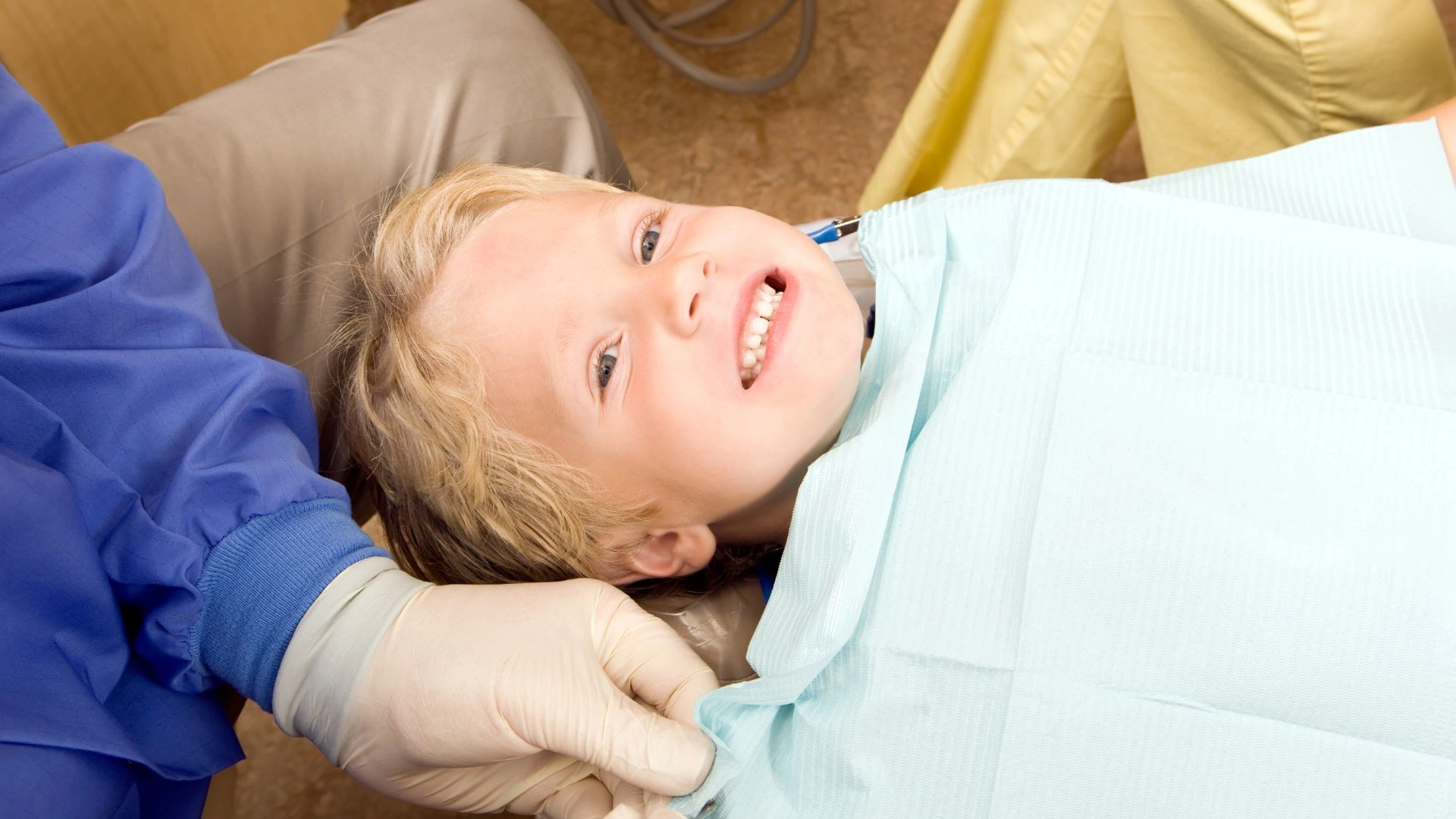
Frenectomy
in Grande Prairie
A tight or restricted frenulum can limit the movement of the tongue or lips. In some children, this can affect feeding or other normal oral functions. When a restriction is causing a functional concern, a frenectomy may help release the tissue and improve movement.
At Swanavon Dental Clinic, we provide frenectomy in Grand Prairie for children with restrictive oral tissues. Treatment begins with an examination of the child’s mouth, tongue, and lips. We also consider their symptoms and oral function to determine whether a frenectomy is appropriate.
What Is a Frenectomy?
A frenectomy is a procedure that releases or removes a frenulum that limits normal movement. A frenulum is a small fold of tissue that connects parts of the mouth.
The procedure can involve the lingual frenulum, located beneath the tongue, or the labial frenulum, which connects the lip to the gums. The type of treatment depends on where the restriction is located and how it affects the child.
Not every child with a tight frenulum needs treatment. An assessment helps determine whether the restriction is affecting the child’s oral function.

When Might a Frenectomy Be Considered?
A frenectomy may be considered when a restricted frenulum affects normal tongue or lip movement. Parents may notice concerns during feeding or other everyday activities.
Some signs that may require an assessment include:
Feeding Difficulties
Restricted tongue or lip movement can make feeding more difficult.
Latching Problems
Some infants may have difficulty maintaining a proper latch during breastfeeding or bottle feeding.
Limited Tongue Movement
A tight frenulum may make it difficult for the tongue to lift, extend, or move from side to side.
Restricted Lip Movement
A tight lip frenulum can limit normal movement of the upper or lower lip.
Having one or more of these signs does not automatically mean that a frenectomy is needed. An examination can help determine whether the frenulum is contributing to the concern.
How Is a Frenectomy Evaluated?
Before recommending treatment, our team examines the child’s mouth and looks at how the tongue or lips move. The appearance of the frenulum alone does not determine whether treatment is needed.
An assessment may include:
Oral Examination
The tongue, lips, gums, and surrounding tissues are examined.
Movement Assessment
Tongue and lip movement is checked for signs of restriction.
Symptom Review
Parents can explain any feeding or oral concerns they have noticed.
Medical History
Relevant dental and health information is reviewed.
Treatment Discussion
If the frenulum is affecting function, the findings and treatment options are explained to the parents.
This assessment helps determine whether a frenectomy is suitable for the child.

What Happens During a Frenectomy?
If a frenectomy is recommended, the procedure focuses on releasing the restricted frenulum. The approach depends on whether the restriction involves the tongue or lip and on the child’s individual needs.
Before treatment, parents are given information about the procedure and recovery. The restricted tissue is then released using an approach suited to the child.
After the procedure, parents receive instructions for caring for the treated area. They can also ask questions about healing and follow-up care.
What Are the Potential Benefits?
When a restricted frenulum affects oral function, releasing it may allow the tongue or lips to move more freely.
Potential benefits include:
Greater Movement
The tongue or lips can move more freely.
Feeding Support
Treatment may help with feeding difficulties caused by restricted movement.
Better Oral Function
Improved movement can support normal oral activities.
Personalized Care
Treatment is planned around the child’s specific needs.
Follow-Up Care
Healing and movement can be checked as needed.
The results of treatment can vary depending on the child’s condition and the reason for the procedure.
Why Choose Swanavon Dental Clinic?
At Swanavon Dental Clinic, we understand that every child has different oral health needs. We focus on careful assessment and clear communication before recommending treatment.
Child-Focused Care
Treatment is planned around the child’s age, comfort, and oral development.
Individual Assessment
Each child’s oral structures and movement are evaluated before treatment.
Clear Communication
Parents receive clear information about the findings and available options.
Personalized Care
Recommendations are based on the child’s oral health and functional needs.
Ongoing Support
Parents receive guidance about aftercare and follow-up when needed.
Families looking for frenectomy in Grand Prairie can contact Swanavon Dental Clinic to discuss their child’s oral health concerns and schedule an assessment.
Schedule an Assessment
A frenectomy is not needed for every child with a restricted frenulum. An assessment can help determine whether the restriction is affecting oral function and whether treatment is appropriate.
Visit Swanavon Dental Clinic at 10104 97 Ave #102, Grande Prairie, AB T8V 7X6, Canada, or call (780) 831-1150 to schedule an appointment.
Frequently Asked Questions
What Is a Frenectomy?
A frenectomy is a procedure that releases or removes a frenulum that is limiting the movement of the tongue or lip.
Does Every Child With a Tongue Tie Need a Frenectomy?
No. Treatment depends on whether the restriction is affecting the child’s oral function or causing specific concerns.
Can a Frenectomy Be Done on the Tongue or Lip?
Yes. A frenectomy can involve the lingual frenulum beneath the tongue or the labial frenulum connecting the lip to the gums.
How Do I Know If My Child Needs a Frenectomy?
An assessment can determine whether a restricted frenulum is affecting your child’s tongue or lip movement and whether treatment is appropriate.
Book Your Teeth Whitening in Grande Prairie
A brighter smile can make a noticeable difference in your overall appearance and confidence.
Book your consultation today to see if professional teeth whitening is right for you.