
Choosing a way to repair a broken or weakened tooth is a major step toward a healthy smile. When looking for dental crowns in Grande Prairie, many patients feel a bit overwhelmed by the different materials available today. A crown acts like a protective cap that covers the entire visible part of a tooth, restoring its shape and strength. Each material has unique benefits, and the right pick depends on where the tooth is located and how much pressure it handles every day.
What Are the Main Types of Crown Materials?
A dentist will usually suggest one of four common materials based on your specific needs. Each material is built to last, but they all react differently to the force of eating.
- All-Porcelain or Ceramic: These are the most popular for front teeth because they match the clear, shiny look of natural enamel perfectly.
- Zirconia: This is a newer type of crystal-like material that is famous for being nearly unbreakable. It works well for back teeth that do a lot of heavy grinding.
- Porcelain Fused to Metal: These have a metal interior for strength and a porcelain exterior for a natural look.
- Gold or Metal Alloys: While these are not tooth-colored, they are very gentle on the opposing teeth and last for a very long time.
Why Are Porcelain Crowns Good for Front Teeth?
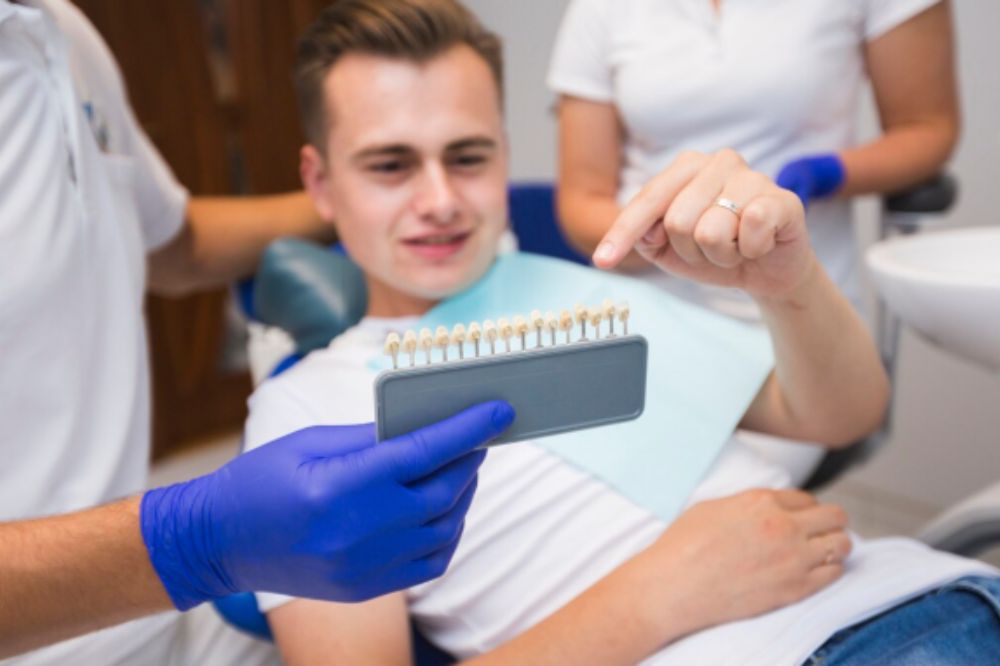
When a tooth shows every time a person laughs or speaks, appearance is the top priority. Porcelain is an excellent choice because it reflects light in the same way as a real tooth. This material can be custom-shaded to match the surrounding teeth exactly. Because porcelain does not have a metal center, you will never see a dark line near the gum area as the years go by. It provides a seamless look that helps people feel great about their appearance.
Is Zirconia the Strongest Option for Back Teeth?
Back teeth have a tough job because they have to crush and grind food with a lot of force. Zirconia is often the preferred choice for these areas because it is much tougher than standard porcelain. It is a type of ceramic that can handle high pressure without cracking or chipping. Even though it is very strong, it can still be colored to look like a natural tooth. This makes it a great balance between a beautiful look and a long-lasting repair.
How Long Does the Process Usually Take?
Getting a crown typically involves two separate visits to the clinic. During the first visit, a dentist near you prepares the tooth by removing any decay and shaping it so the cap can fit over it. A digital scan or a mould is taken to ensure the lab creates a perfect fit. While the permanent crown is being made, a temporary one is worn to protect the tooth. A few weeks later, the final piece is cemented into place, and the tooth is ready to use again.
Can a Metal Crown Still Be Useful?
Even though most people prefer tooth-colored options, metal crowns are still used in specific cases. Gold and other metal mixes are very thin, which means less of the natural tooth has to be removed to make room for them. Metal is also very smooth, so it does not wear down the teeth it bites against. These are often used for teeth in the very back of the mouth, where they are not visible but need to be extremely durable.
Caring for Your New Dental Restoration
Once a crown is in place, it needs the same care as a natural tooth. Brushing twice a day and flossing around the edges of the cap prevent plaque from building up near the gums. It is also a good idea to avoid biting down on very hard objects like ice or popcorn kernels, which could potentially chip the material. Regular checkups allow a professional to make sure the seal remains tight and the tooth underneath stays healthy.
Why Local Expertise Matters for Your Smile
When you visit a dental clinic in Grande Prairie, the team will evaluate your bite and your oral habits to help you choose the right material. Some people might grind their teeth at night, which means they need a much tougher material like zirconia. Others might have a very high smile line, making porcelain the top choice. Having a local professional guide you through these options ensures that the final result feels comfortable and looks natural within your smile.
Discover the Path to Stress‑Free Dental Care
Our team at Swanavon Dental Clinic takes the time to explain every option so you can make a choice that fits your lifestyle. By using modern tools and high-quality materials, we ensure that your new tooth looks great and lasts for many years.
Contact us today to book an appointment and discover the right path for your dental health.
Common Questions People Ask
-
Does getting a dental crown hurt?
The process is very similar to getting a filling. The area is numbed so you do not feel any pain while the tooth is being prepared. Most people only feel a little bit of pressure during the visit.
-
How many years will a crown stay in good shape?
Most crowns last between ten and fifteen years. If you take good care of your mouth and visit the clinic for regular cleanings, they can sometimes last even longer.
-
Can a crown get a cavity?
The crown itself cannot decay because it is made of porcelain or metal. However, the natural tooth underneath can still get a cavity if it isn’t kept clean. This is why brushing the gum line is so important.
-
Will the crown feel different from my other teeth?
It might feel a little strange for the first day or two as your tongue gets used to the new shape. After a short time, it should feel just like a natural part of your mouth.