When tooth pain strikes, it can feel overwhelming. Many people worry that a damaged or infected tooth automatically means extraction. Fortunately, modern dentistry offers solutions that save your natural teeth, relieve pain, and restore oral health. Root canal therapy in Grande Prairie is one of the most effective treatments for preserving a natural tooth that would otherwise be lost.
What Is Root Canal Therapy?
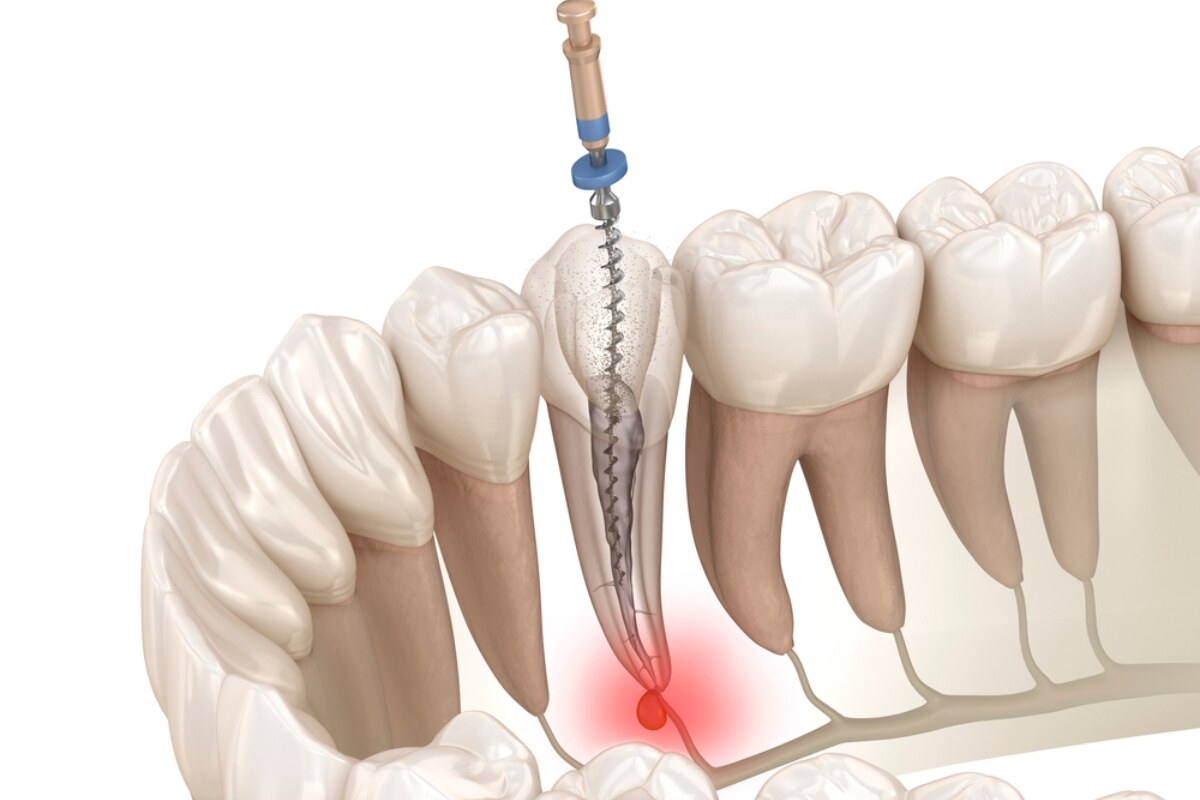
Root canal therapy is a dental procedure designed to remove infected or damaged pulp from inside the tooth. The pulp contains nerves and blood vessels, and when it becomes infected due to decay or injury, it can cause severe pain and swelling. A dentist in Grande Prairie carefully cleans the tooth’s canals, disinfects them, and seals the space to prevent further infection. This treatment allows the tooth to stay in your mouth rather than being removed.
How Root Canal Saves Natural Teeth
Root canals save teeth by addressing the source of infection directly. Once the pulp is removed and the canals are sealed, the tooth can function normally without causing pain. Understanding how root canal saves natural teeth helps patients see why this procedure is often preferred over extraction. By keeping your own tooth, you maintain natural biting strength and the proper alignment of surrounding teeth.
When Is a Root Canal Needed?
Root canal therapy is usually recommended when a tooth is severely decayed, infected, or damaged from trauma. Signs that you might need a root canal include:
- Persistent toothache
- Sensitivity to hot or cold
- Swelling or tenderness in nearby gums
- Darkening of the tooth
A dentist near you can examine your tooth, take X-rays, and determine whether root canal therapy is the best solution.
How the Procedure Works
The root canal treatment process is quick and simple. It follows the steps below for the treatment:
- The tooth is numbed with local anesthesia.
- The dentist removes infected or damaged pulp.
- The canals are cleaned and shaped.
- The tooth is filled and sealed to prevent reinfection.
- Often, a crown is placed to restore strength and function.
This process helps restore the damaged tooth with a root canal and allows you to keep your natural tooth healthy for years.
Benefits of Root Canal Therapy
- Relieves severe tooth pain
- Eliminates infection and prevents it from spreading
- Maintains your natural tooth and bite
- Avoids the need for extraction and replacement
By treating the tooth rather than removing it, you preserve your smile and protect your oral health.
Wrapping Up!
Root canal therapy is a safe and effective way to save a natural tooth while relieving pain and infection. If you notice persistent tooth pain or sensitivity, seeking timely care can prevent further damage. Schedule an appointment with Swanavon Dental Clinic today to see how root canal therapy can protect your natural teeth and keep your smile healthy.
📍 Find us easily on the Google map and plan your visit today!
FAQs
1. Does a root canal hurt?
With modern anesthesia, most patients feel little to no pain during the procedure.
2. How long does it take to recover from a root canal?
Recovery usually takes a few days, and mild discomfort can be managed with over-the-counter pain relievers.
3. Can a tooth get infected again after a root canal?
If the tooth is properly sealed and cared for, reinfection is rare but possible in some cases.
4. How long will a root canal-treated tooth last?
With good oral hygiene and regular checkups, a treated tooth can last a lifetime.
5. Can I eat normally after a root canal?
Yes, but it’s best to avoid hard or sticky foods until any temporary filling or crown is fully set.