
Botox may help reduce jaw pain and tight muscles in some people with TMJ problems. It works by relaxing certain muscles that help move the jaw. However, it does not fix every TMJ problem or repair damage inside the jaw joint. Botox for TMJ in Grande Prairie may be an option if jaw pain, tightness, or other muscle problems continue despite other treatments. Before choosing this option, it is helpful to know how it works, its possible benefits and side effects, and how long the results may last. A dentist can assess your condition and help determine whether Botox is the right choice or if another treatment may work better.
What Is Botox for TMJ?
Botox is a medicine made from botulinum toxin type A. When injected into specific muscles, it temporarily reduces the signals that tell those muscles to contract. For TMJ-related symptoms, injections are usually placed into the jaw muscles, such as the masseter or temporalis.
These muscles help you chew and move your jaw. If they stay tight or work too much, they can cause jaw pain, headaches, and discomfort. Botox may help relax these muscles and reduce these problems in some people.
However, TMJ disorders can also involve the joint, cartilage, or other structures. Botox does not correct joint damage, change the position of the jaw, or treat every underlying cause.
When Is Botox Considered for TMJ Pain?
Botox for TMJ pain may be considered when symptoms are linked to overactive jaw muscles and have not improved enough with other treatment options.
Possible symptoms include:
- Pain or tightness around the jaw.
- Soreness in the cheeks or temples.
- Jaw fatigue while chewing.
- Headaches linked to jaw muscle tension.
- Teeth clenching or grinding.
Botox is not usually the first treatment for TMJ problems. Simple care, such as avoiding hard foods, using warm compresses, managing stress, and following a recommended jaw exercise plan, may help. A dental professional can assess the symptoms and discuss suitable options.
What Happens During Botox Treatment?
Before treatment, the cause of the jaw pain and the areas affected need to be assessed. A dentist near you may review the symptoms, check jaw movement, examine the muscles, and ask about teeth grinding or clenching.
If Botox is a suitable option, the treatment may include these steps:
- Assessment: The dentist checks your jaw muscles and symptoms to decide where the injections may be needed.
- Preparation: The skin is cleaned, and the areas for the injections are marked.
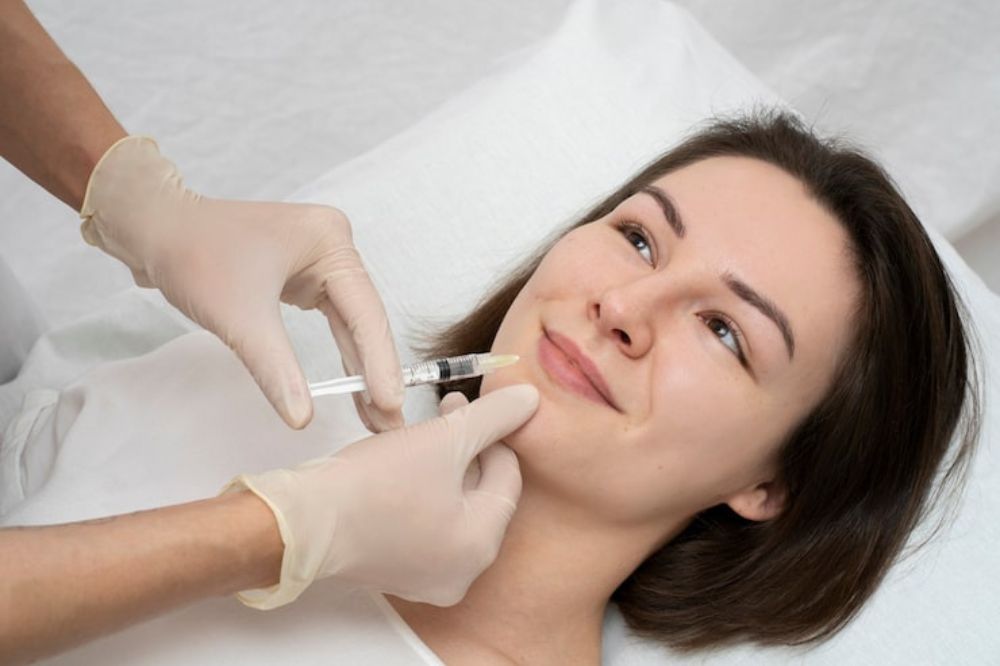
- Injections: Small amounts of Botox are placed into selected muscles using a fine needle.
- Aftercare: Instructions are provided about activities to avoid and when to return for a review.
The injections usually take only a short time. The number of injection points and the amount used depend on the treatment plan.
What Results Can You Expect?
Botox does not provide instant relief. Changes may begin to appear within several days, while the full effect can take about 1 to 2 weeks.
Possible improvements include:
- Less jaw muscle tightness.
- Reduced muscle-related pain.
- Less discomfort from clenching.
- Easier jaw movement when muscle tension is a major cause.
Results vary, and some people may not experience meaningful relief. The effects are temporary and typically last around three to four months, though this can vary between individuals. Repeat treatment should only be considered after reviewing the results, risks, and other care options.
A dental clinic in Grande Prairie can explain what results may be realistic based on the cause of the symptoms.
Possible Risks and Side Effects
Botox is generally well-tolerated when given by a trained and qualified professional, but side effects are possible. These may include:
- Bruising, swelling, or tenderness at the injection site.
- Temporary weakness in the treated muscles.
- Changes in chewing strength.
- A feeling of unevenness when moving the jaw.
- Headache or discomfort after treatment.
In some cases, the injections may affect nearby muscles and cause unwanted changes in facial movement. Rare but serious effects can occur. Discuss allergies, medical conditions, medications, and previous reactions before treatment.
Who Should Avoid or Delay Botox?
Botox may not be suitable for everyone. Extra care is needed for people with certain nerve or muscle conditions, a history of serious reactions to botulinum toxin, or an infection near the planned injection area.
Pregnancy and breastfeeding also require discussion with a healthcare professional because safety information is limited. Always share a full medical history before treatment.
Explore Suitable Options for Jaw Pain!
Jaw pain and tight muscles can make it hard to eat, speak, and feel comfortable throughout the day. Finding the cause can help you choose the right treatment. Contact Swanavon Dental Clinic to discuss your symptoms, learn about your treatment options, and find out if Botox may be right for you.
FAQs
Is Botox a permanent treatment for TMJ?
No. Its effects wear off over time, usually within a few months. Ongoing symptoms may return as normal muscle activity comes back.
Does Botox stop teeth grinding?
It may reduce the strength of jaw muscle contractions, but it does not always stop grinding or clenching. Other treatments may still be needed to protect the teeth.
Is Botox painful when injected into the jaw?
The injections may cause brief pinching or mild discomfort. Temporary tenderness or bruising can also occur.
Can Botox fix a clicking or popping jaw?
Not necessarily. Clicking may be linked to changes inside the joint, which Botox does not repair. An assessment is needed to identify the cause.